

AUDIO WEAVER
REAL-TIME EMBEDDED AUDIO INFRASTRUCTURE
Audio Weaver helps product teams design, integrate, tune, and deploy advanced audio systems across automotive and consumer electronics.
Audio Weaver provides a real-time embedded audio infrastructure as a unified framework for signal processing, third-party IP, AI models, and hardware-specific deployment, allowing teams to build production-ready audio systems without rebuilding the underlying plumbing for every chip, product, or feature.
MODERN AUDIO NEEDS INFRASTRUCTURE
Audio systems are no longer fixed-function signal chains. Today’s products use microphone arrays, voice interfaces, spatial audio, noise reduction, AI-enhanced processing, and multi-core compute. These features often span DSPs, CPUs, NPUs, and vendor-specific silicon. Audio Weaver provides the deterministic infrastructure layer needed to make these systems reliable, portable, and real-time.

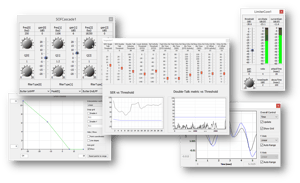
TUNE, PROFILE, & OPTIMIZE ON TARGET
Tune and visualize audio while processing is active. Profile CPU, memory, and per-module performance in real time so teams can understand how every part of the system behaves on target hardware. This visibility is critical as products combine deterministic DSP workloads with AI models, multi-core processors, and third-party IP.

CAPABILITIES FOR PRODUCTION AUDIO SYSTEMS
- Hardware-aware deployment across embedded targets
- Multi-channel, multi-rate, multi-threaded, and multi-core support
- Real-time tuning and profiling
- Regression testing and PC simulation
- Custom module development
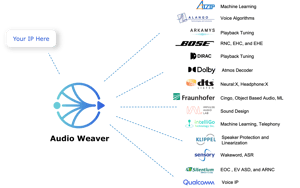
- Third-party and proprietary IP integration
- Support across semiconductor platformsQuick iteration Cycle
- Design Flexibility: Mutli-channel, Multi-threading, Multi-rate, Multi-core
- Accurate Profiling
- Quick iteration Cycle
- Advanced Tools: Matlab Automation API, Regression testing framework, Batch Processing
Visit our expansive developer resource library
600+ READY-TO-USE MODULES
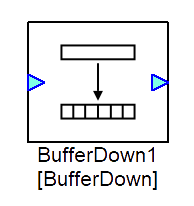
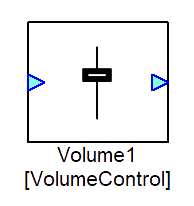
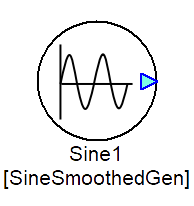
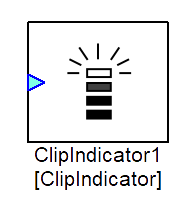
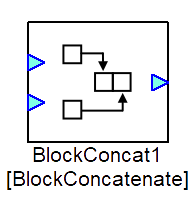
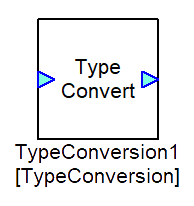
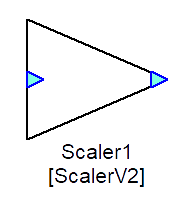
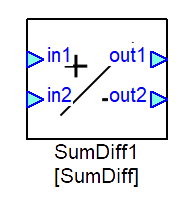
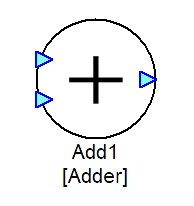
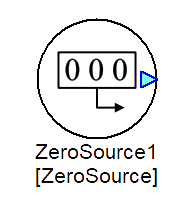
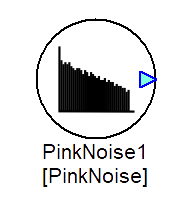
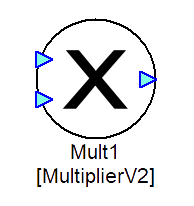
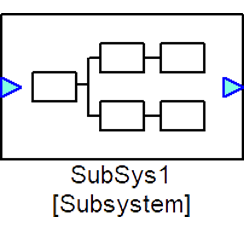
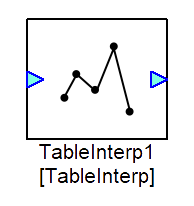
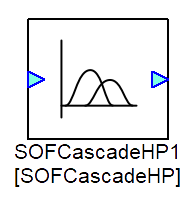
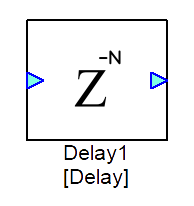
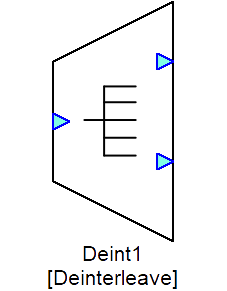
Audio Weaver includes a library of 600+ audio modules and example signal flows that teams can customize, extend, and deploy. These modules serve as production-ready building blocks for real-time audio infrastructure, helping teams avoid low-level rework while preserving flexibility for proprietary algorithms and third-party IP.
WHY PRODUCT TEAMS BUILD ON AUDIO WEAVER
- SPEED
- TEAMWORK
- INNOVATION
- RISK REDUCTION
- COST SAVINGS
Reduce integration time and accelerate production audio development
Frees you from writing low-level code
Large library of optimized audio functions
Quick iteration cycle
Agility
Give audio, software, hardware, and tuning teams a shared infrastructure framework
Usable by your whole team
Team members can work in parallel
Easily reuse designs
Demonstrate new ideas
Integrate new algorithms, AI models, and third-party IP without rebuilding the entire audio stack
Leverage field-tested world class IP
Develop your own IP
Focus on product differentiation, not low-level coding
Quickly iterate and try new ideas
Validate performance earlier and reduce system-level surprises
Pre-integrated on many chips
Easily debug system level issues
Catch problems early in development
Work around last-minute issues
Easily evaluate different processors and IP
Reduce rework, avoid duplicated low-level development, and improve portability across hardware
Your team works more efficiently
Find the lowest cost solution
Minimize rework
Reduce time-to-market
“The algorithm team, the software team, integration team, and even myself just coming in from the hardware side – we’re able to just speak this common language and look at a solution in a way that we’re all able to understand it."
“Innovation is always a risk so a lot of times, you don’t have enough time or resources to do it. With Audio Weaver, we’re able to iterate a lot faster. This happens very frequently and your end product will be better in quality.”
“Using Audio Weaver, we’re able to … expand the audio processing in ways that we wouldn’t otherwise and we can commit to that and meet a schedule with this tool.”
STANDARD
EditionMinimum requirements:
– Windows 10 (64 bit) or Windows 11
PRO
EditionMinimum requirements:
– Windows 10 (64 bit) or Windows 11
– MATLAB® 2021 through 2024b*
– Signal Processing Toolbox
* MATLAB® 2025a+ support coming soon
MODULE
Creator